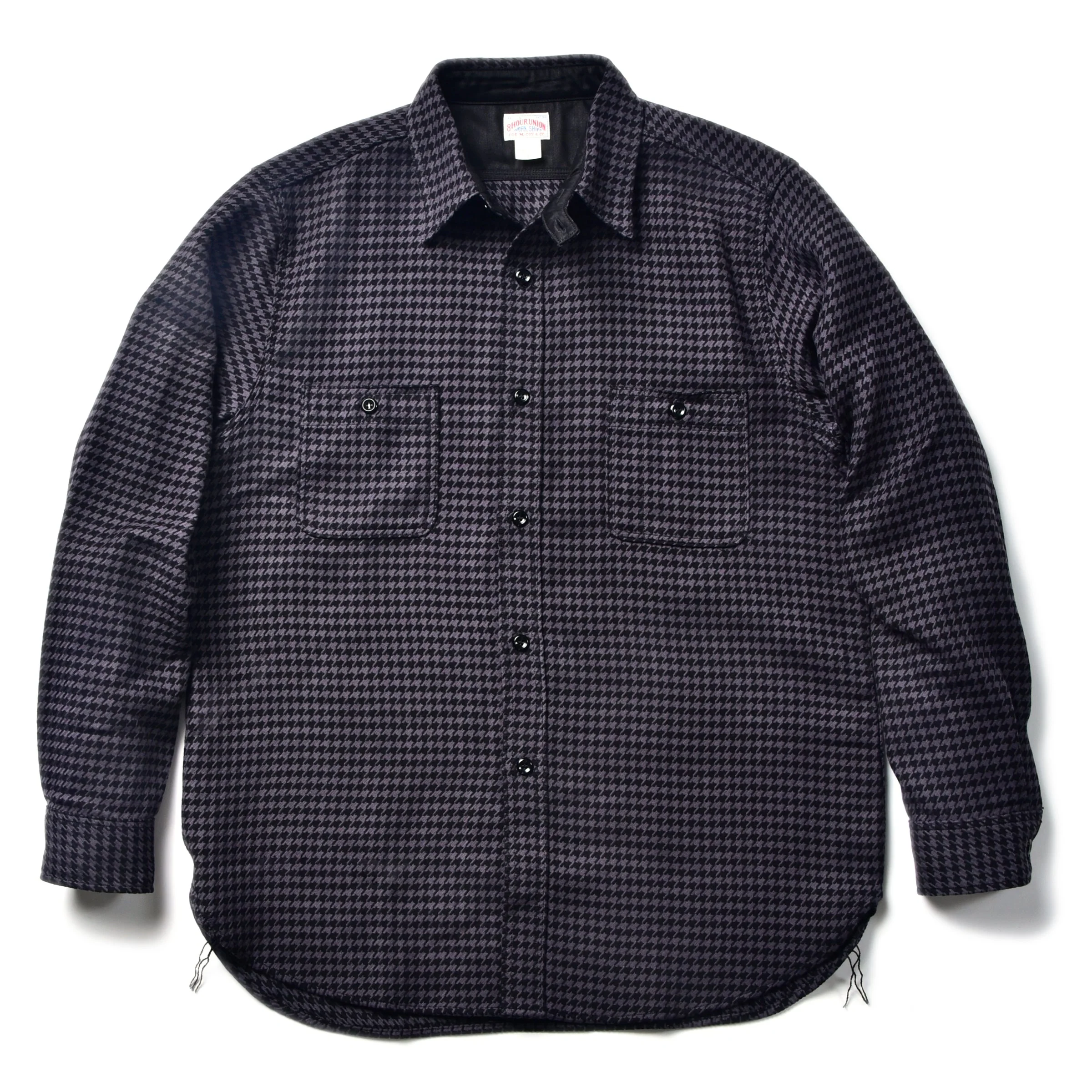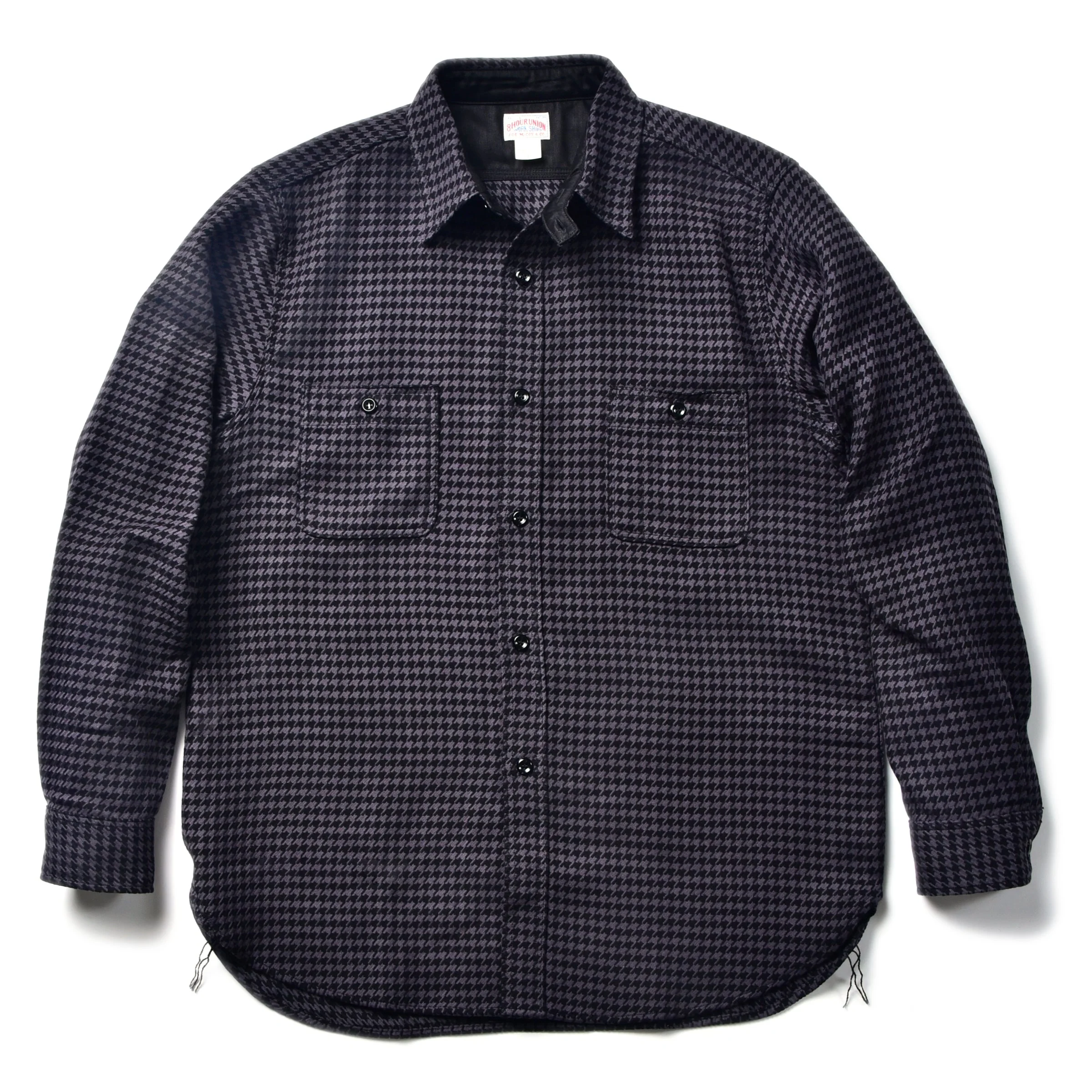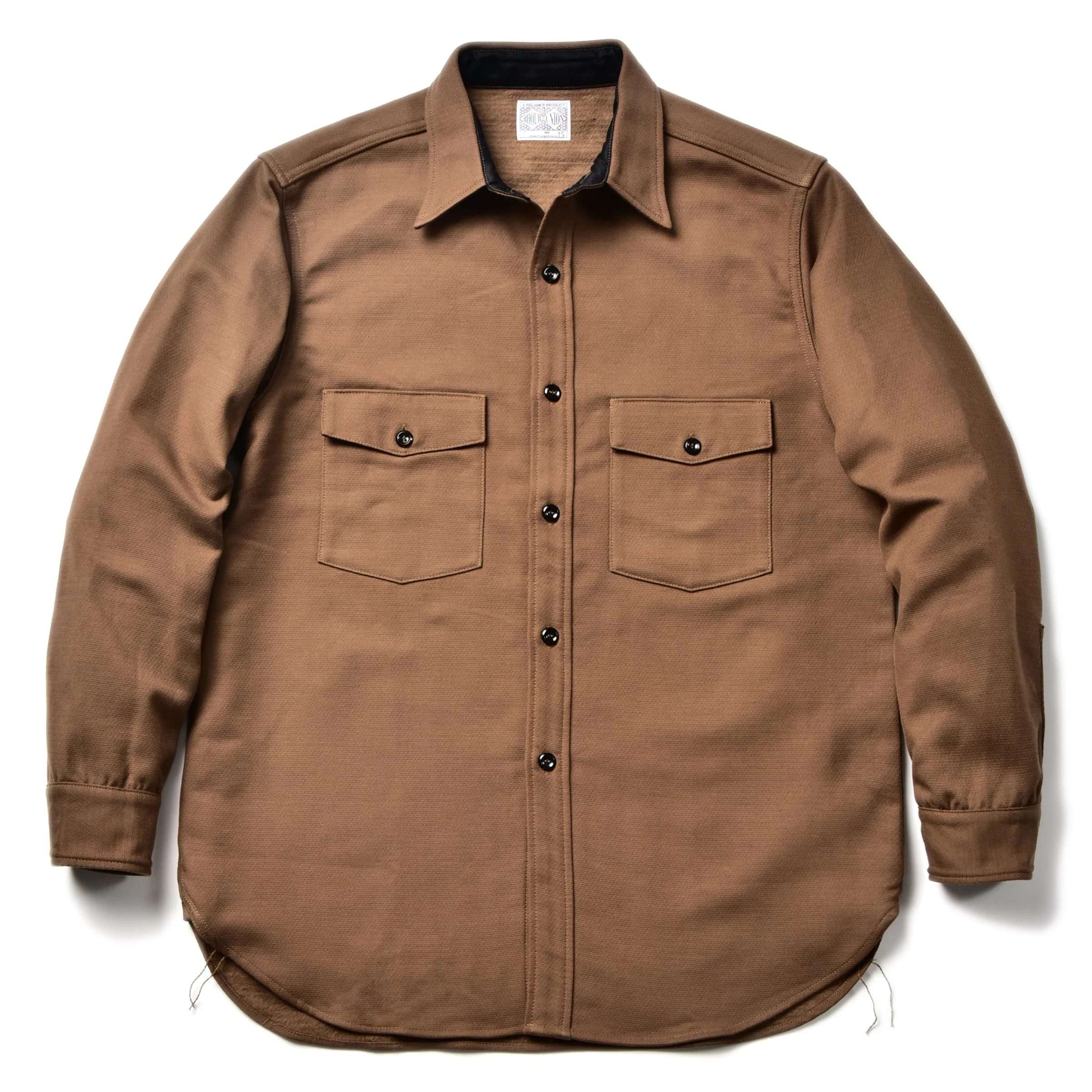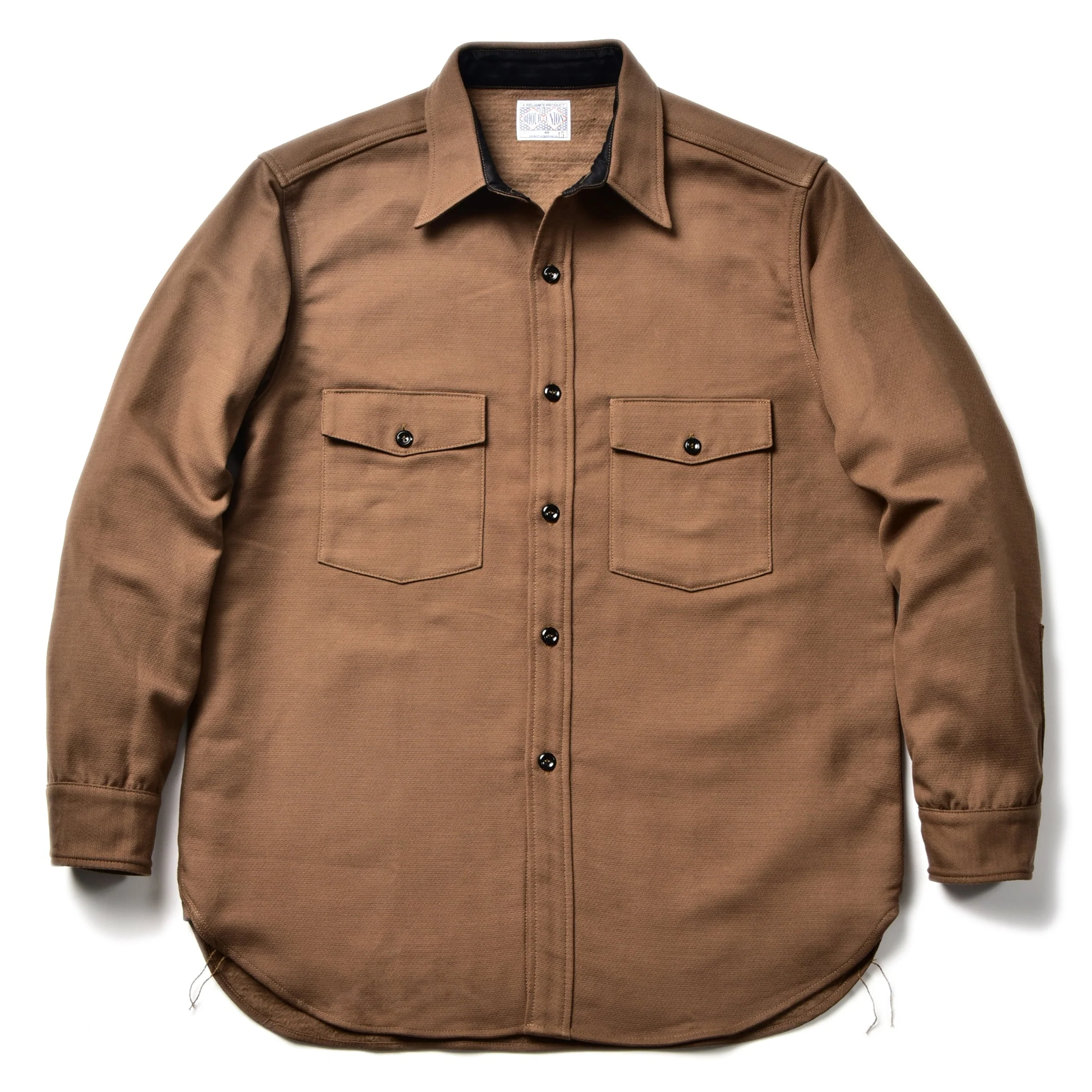
8HU CHAMBRAY SERVICEMAN WORK SHIRT
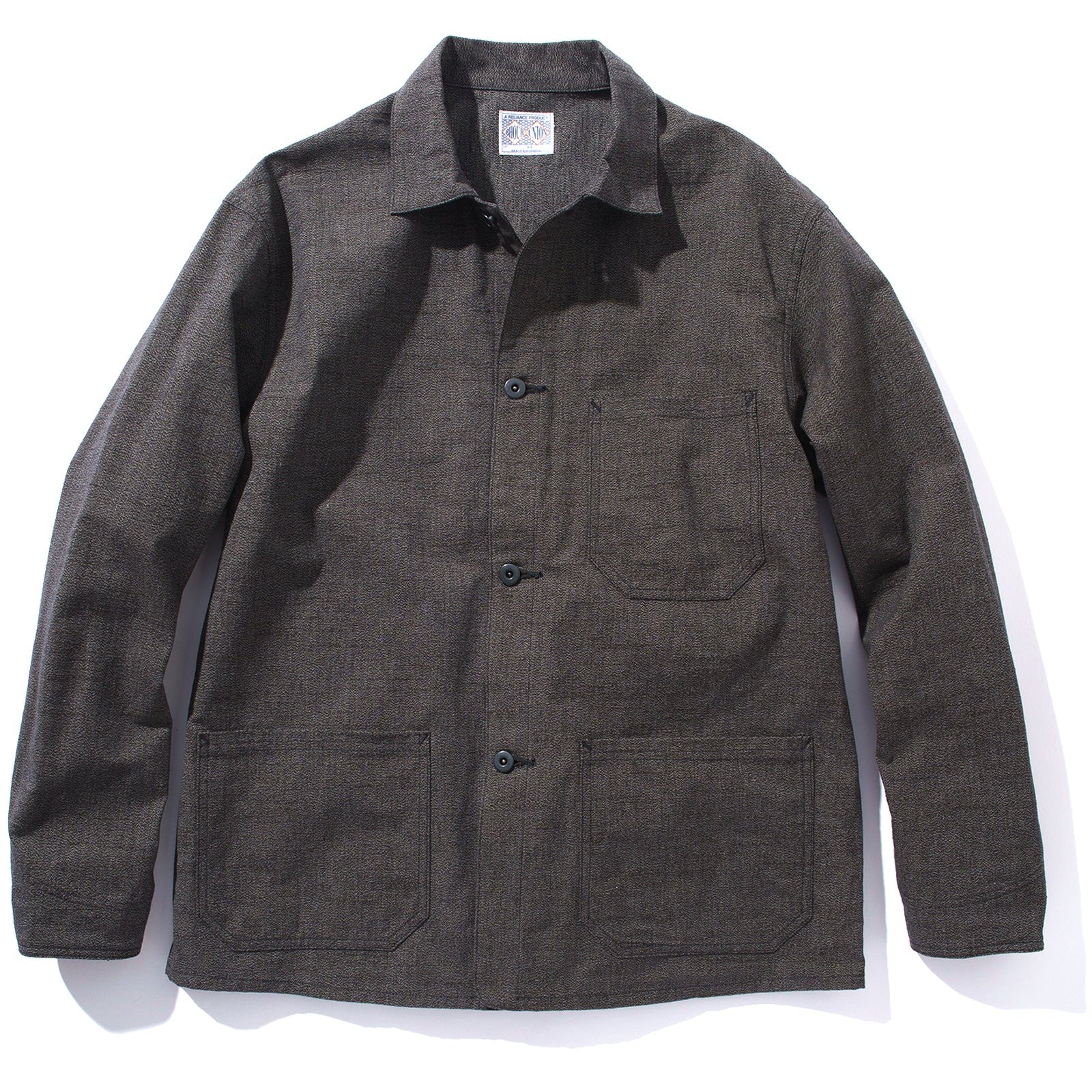
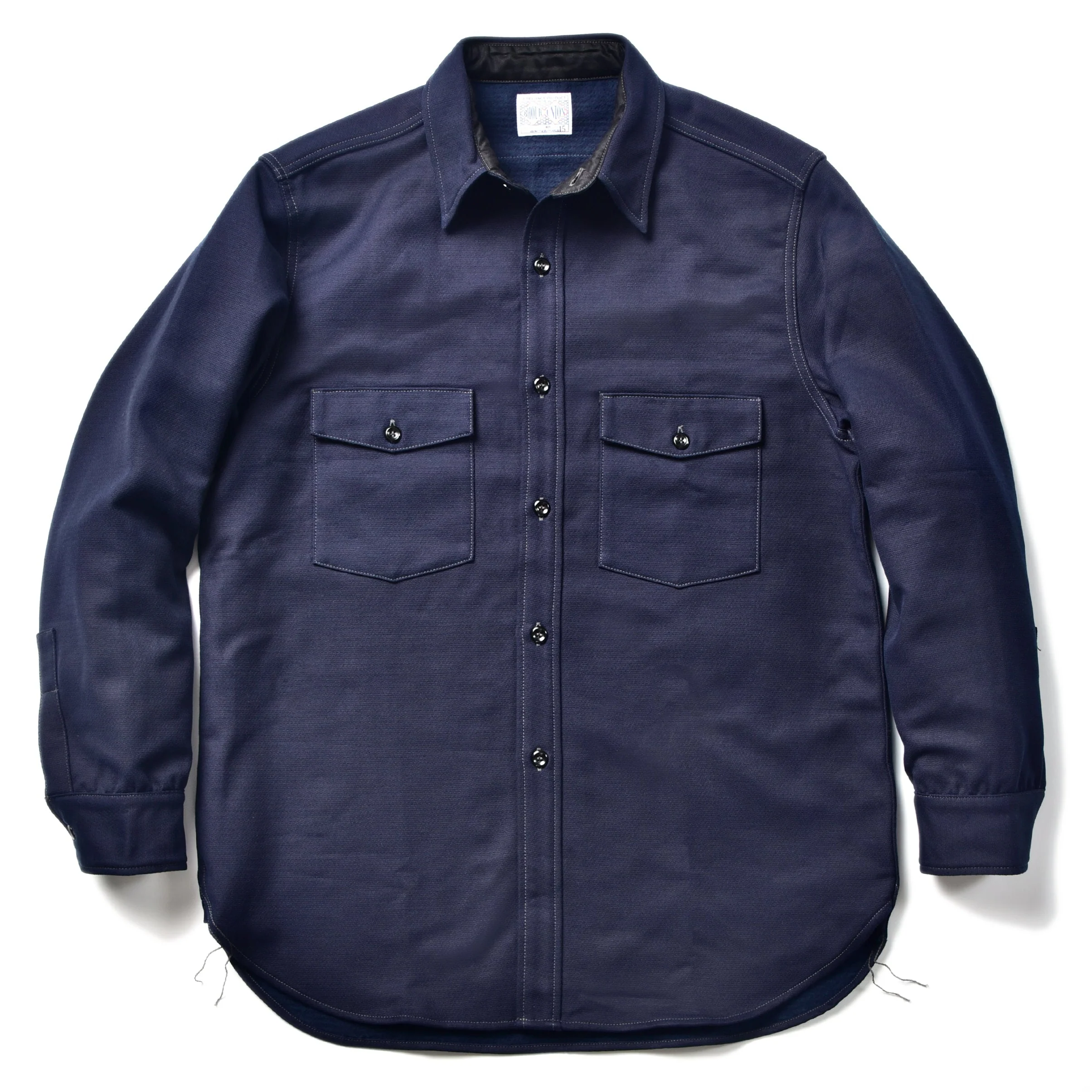
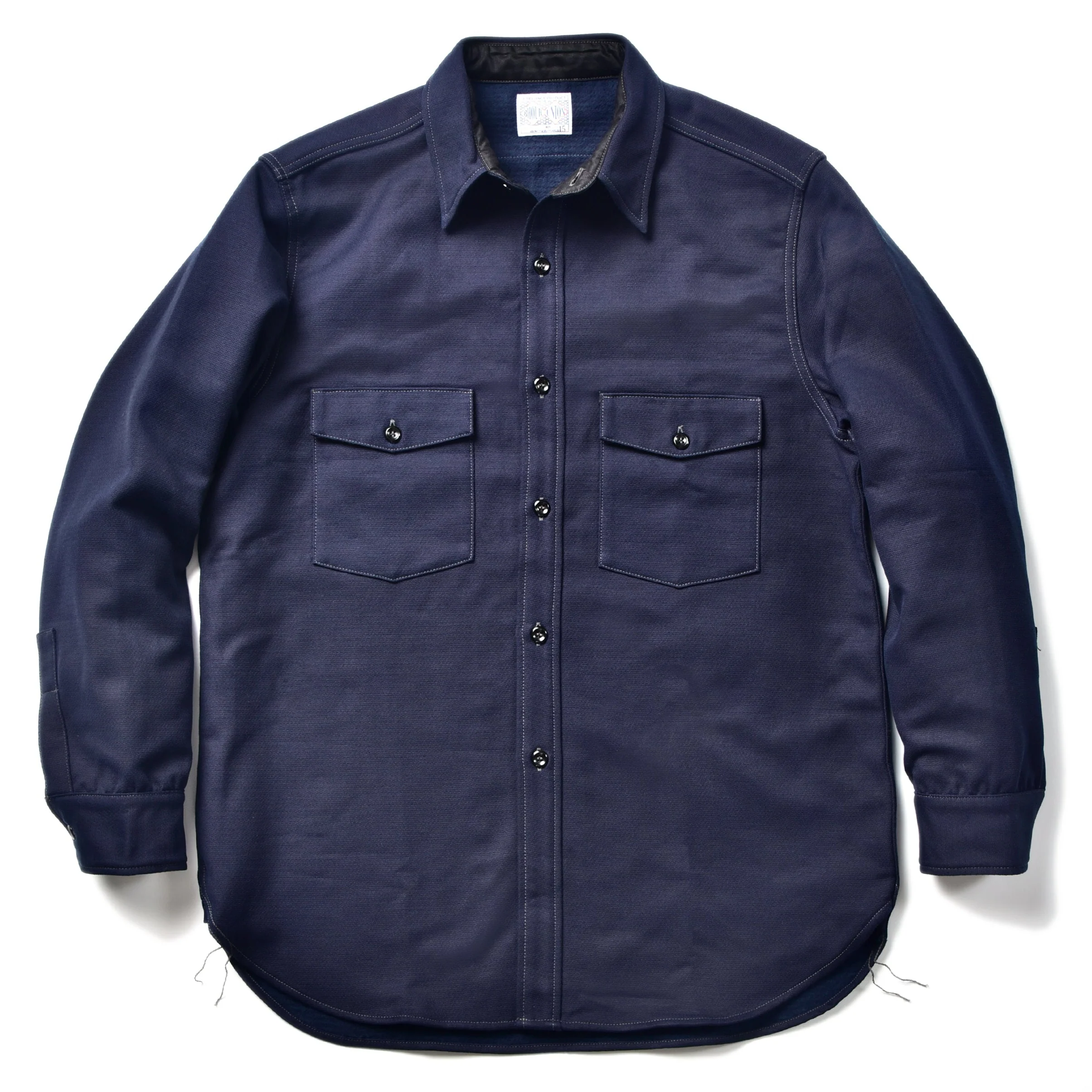
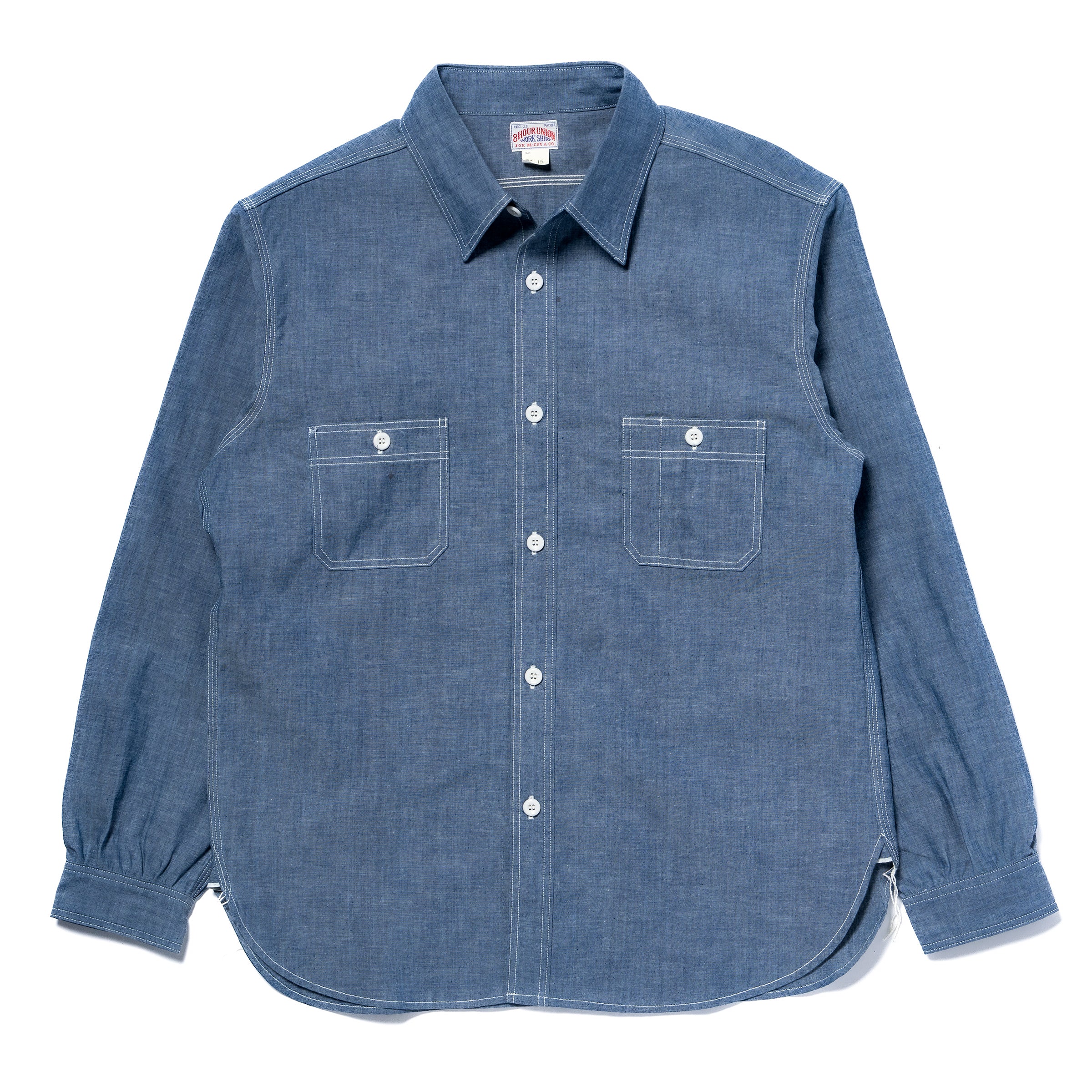
The Real McCoy’s 8HU CHAMBRAY SERVICEMAN SHIRT is based on a pattern worn in the 1950s and made from a 5oz chambray cloth. Notable period details include a double-layered left breast pocket featuring two compartments, designed for the practical storage of cigarettes with additional space for a pen or notebook — keeping both safe and dry from sweat and the elements.
Often referred to as "serviceman shirts," these garments were typically made for employees of factories, stores, or service providers. Because they were ordered in large volumes, they were usually made from durable, easy-to-source materials like chambray.
Produced not only by major brands but also by a wide range of manufacturers, these shirts became a defining staple of mid-century American workwear. Earlier, before the war, there was greater variety in design, with brands experimenting with features like pocket shapes, back yokes, and stitching. But the material restrictions imposed during World War II pushed production toward more simplified patterns.
By the 1950s, work shirts had become more uniform in appearance. While this may seem like a loss of individuality, it also marked a moment of practical refinement. In hindsight, this shift offers a fascinating look at how industrial standardization influenced everyday clothing and helped shape the visual identity of American workwear.
- 100% Cotton
- Cotton Chambray, 5 oz.
- Urea Button
- Cotton Sewing Thread Construction
- Made in Japan
The Real McCoy’s 8HU CHAMBRAY SERVICEMAN SHIRT is based on a pattern worn in the 1950s and made from a 5oz chambray cloth. Notable period details include a double-layered left breast pocket featuring two compartments, designed for the practical storage of cigarettes with additional space for a pen or notebook — keeping both safe and dry from sweat and the elements.
Often referred to as "serviceman shirts," these garments were typically made for employees of factories, stores, or service providers. Because they were ordered in large volumes, they were usually made from durable, easy-to-source materials like chambray.
Produced not only by major brands but also by a wide range of manufacturers, these shirts became a defining staple of mid-century American workwear. Earlier, before the war, there was greater variety in design, with brands experimenting with features like pocket shapes, back yokes, and stitching. But the material restrictions imposed during World War II pushed production toward more simplified patterns.
By the 1950s, work shirts had become more uniform in appearance. While this may seem like a loss of individuality, it also marked a moment of practical refinement. In hindsight, this shift offers a fascinating look at how industrial standardization influenced everyday clothing and helped shape the visual identity of American workwear.
- 100% Cotton
- Cotton Chambray, 5 oz.
- Urea Button
- Cotton Sewing Thread Construction
- Made in Japan
Original: $392.09
-65%$392.09
$137.23Description
The Real McCoy’s 8HU CHAMBRAY SERVICEMAN SHIRT is based on a pattern worn in the 1950s and made from a 5oz chambray cloth. Notable period details include a double-layered left breast pocket featuring two compartments, designed for the practical storage of cigarettes with additional space for a pen or notebook — keeping both safe and dry from sweat and the elements.
Often referred to as "serviceman shirts," these garments were typically made for employees of factories, stores, or service providers. Because they were ordered in large volumes, they were usually made from durable, easy-to-source materials like chambray.
Produced not only by major brands but also by a wide range of manufacturers, these shirts became a defining staple of mid-century American workwear. Earlier, before the war, there was greater variety in design, with brands experimenting with features like pocket shapes, back yokes, and stitching. But the material restrictions imposed during World War II pushed production toward more simplified patterns.
By the 1950s, work shirts had become more uniform in appearance. While this may seem like a loss of individuality, it also marked a moment of practical refinement. In hindsight, this shift offers a fascinating look at how industrial standardization influenced everyday clothing and helped shape the visual identity of American workwear.
- 100% Cotton
- Cotton Chambray, 5 oz.
- Urea Button
- Cotton Sewing Thread Construction
- Made in Japan