WWII RAGLAN SLEEVE DENIM CHORE COAT
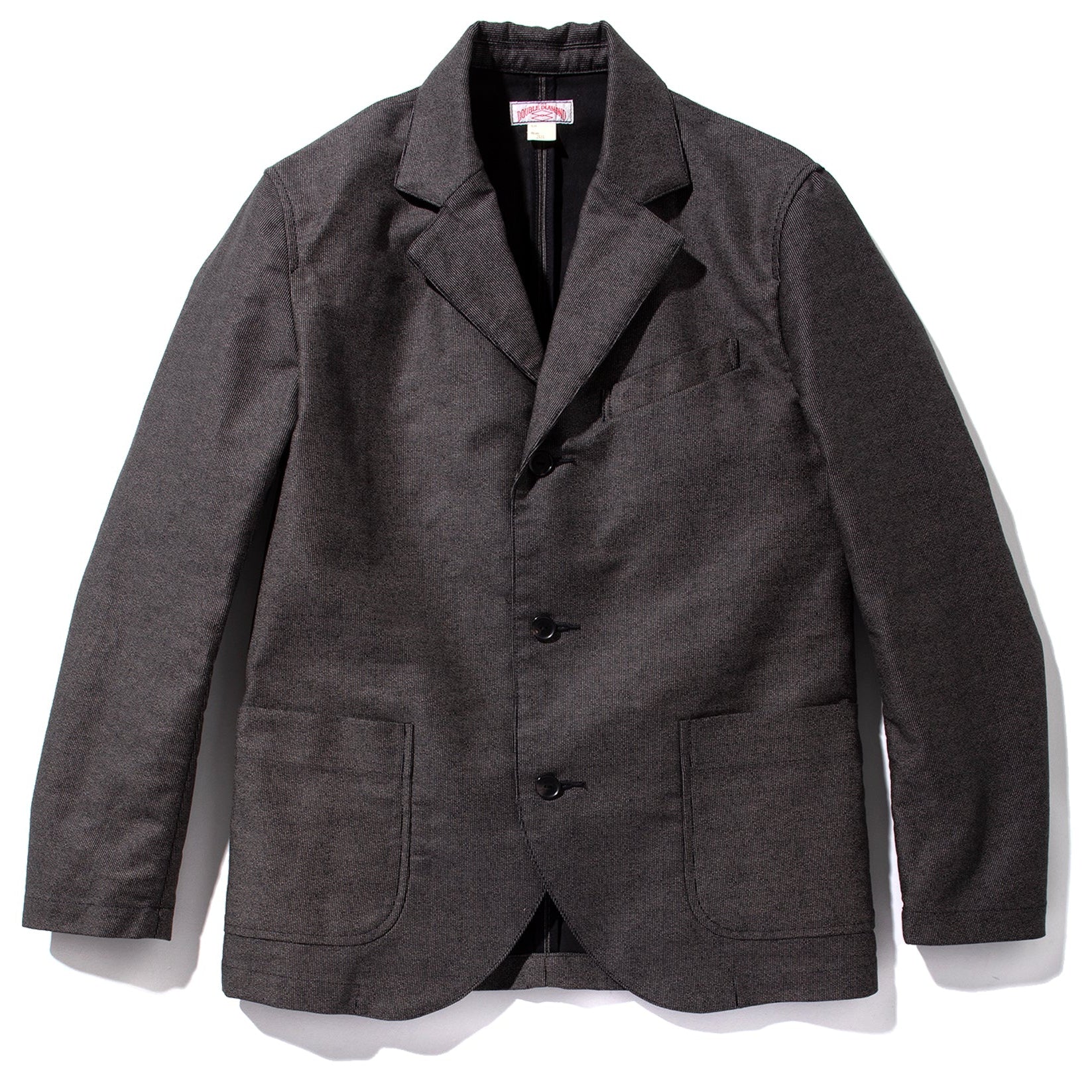
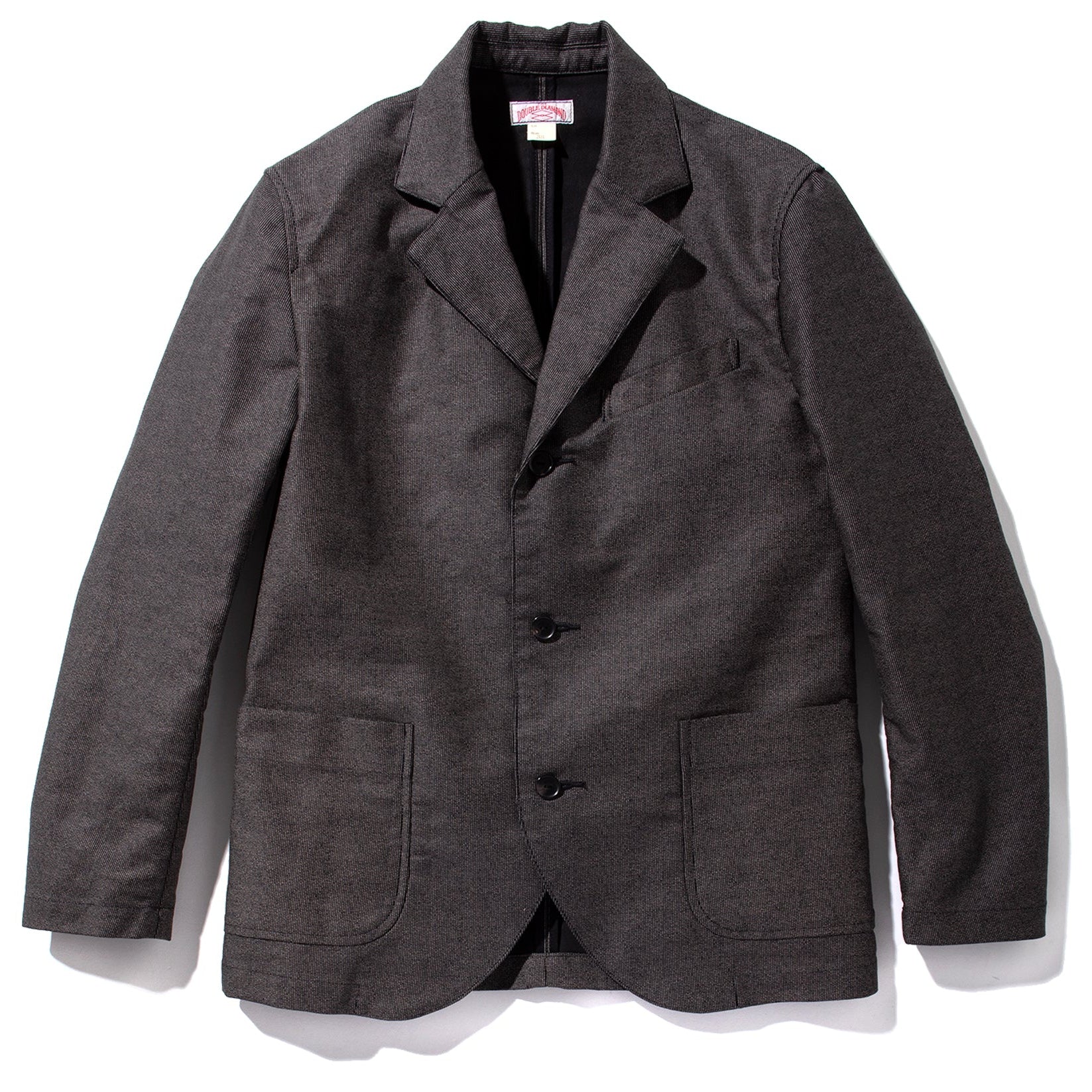
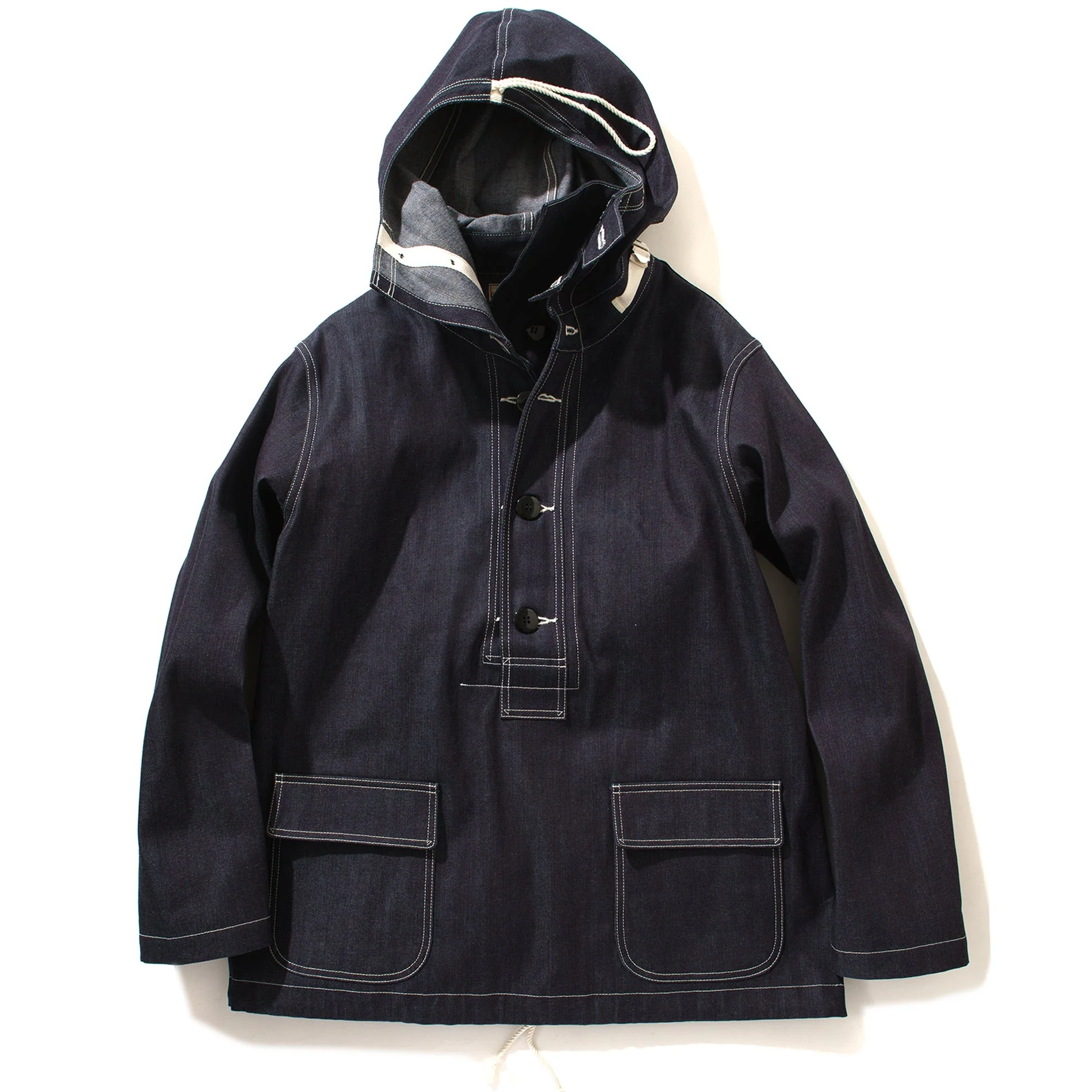
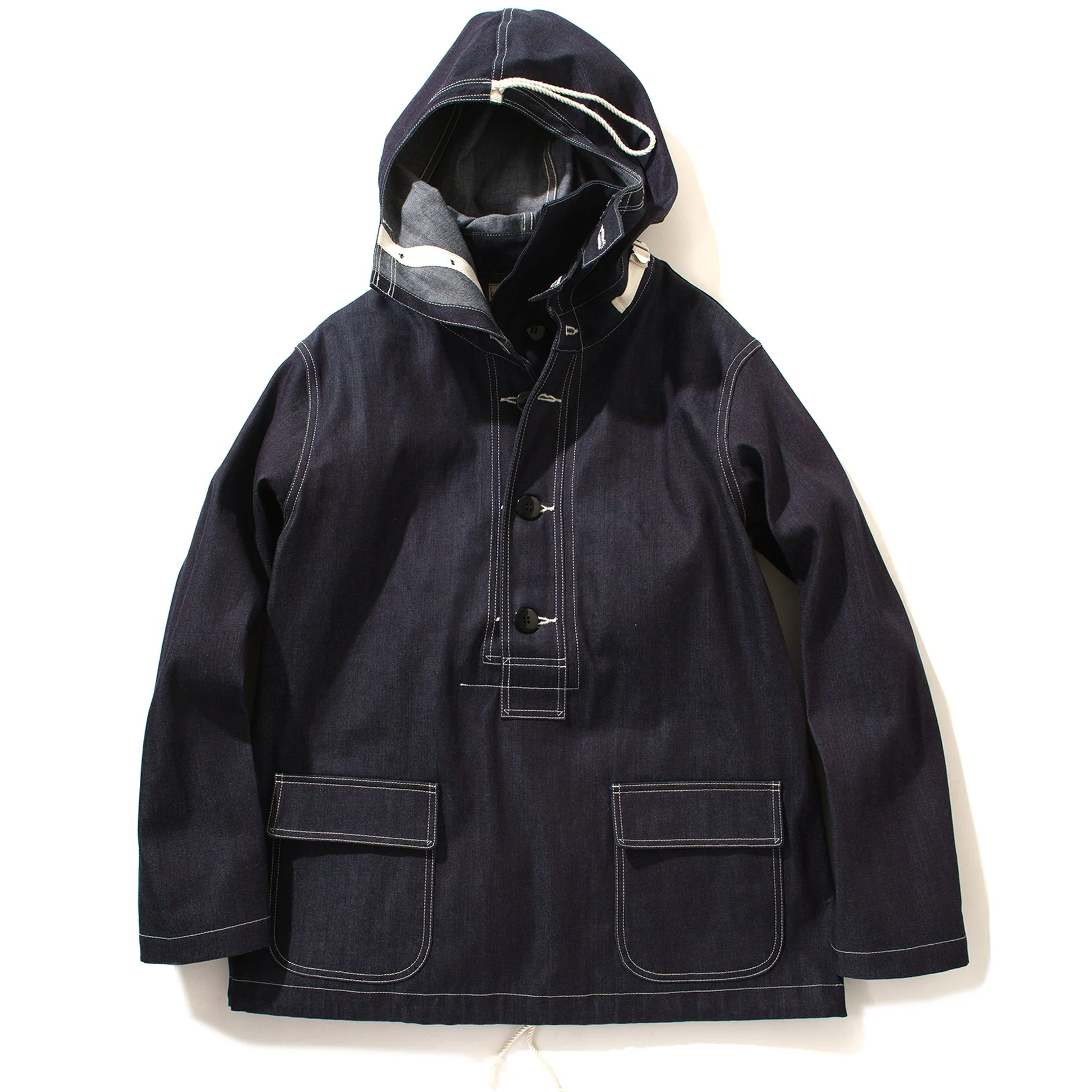
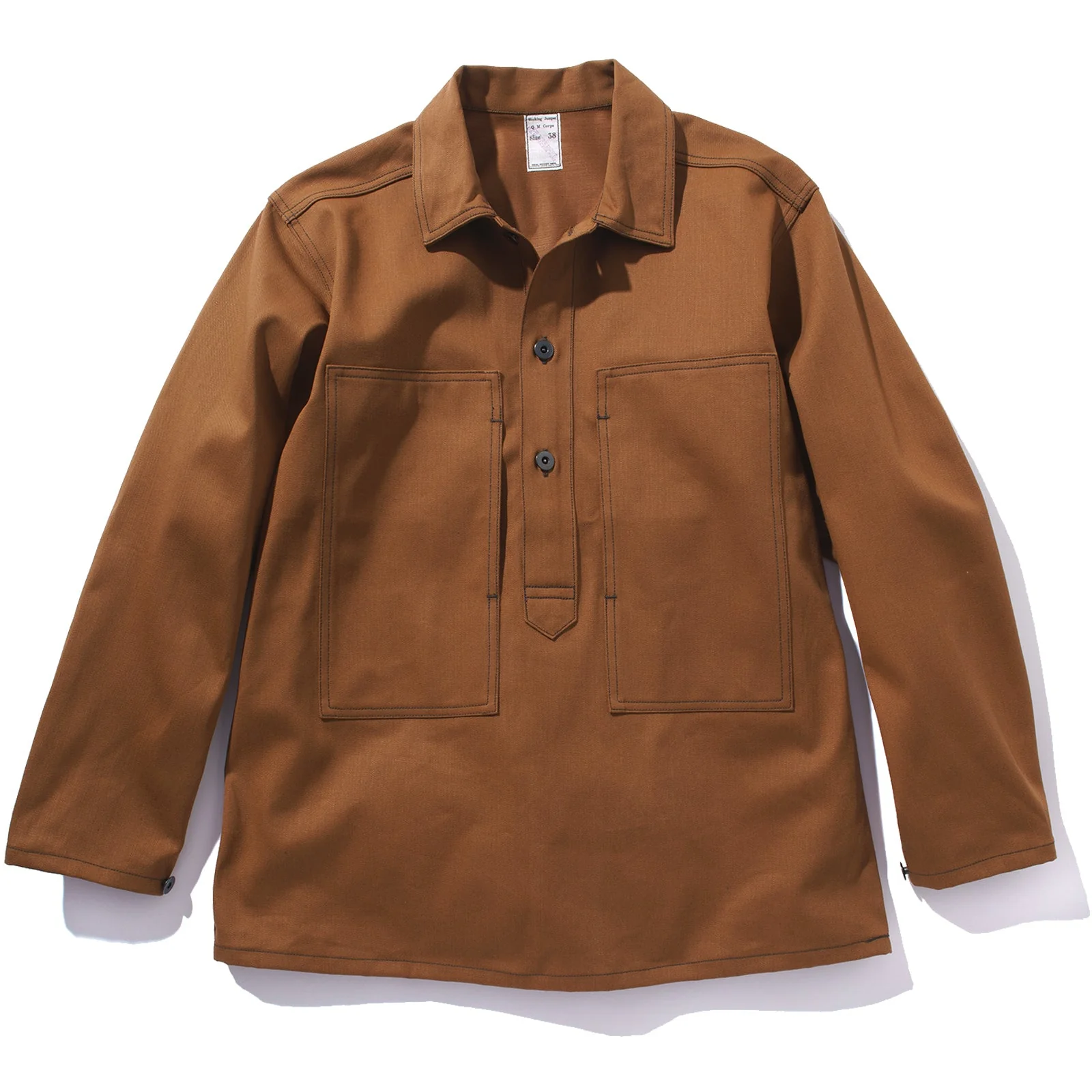
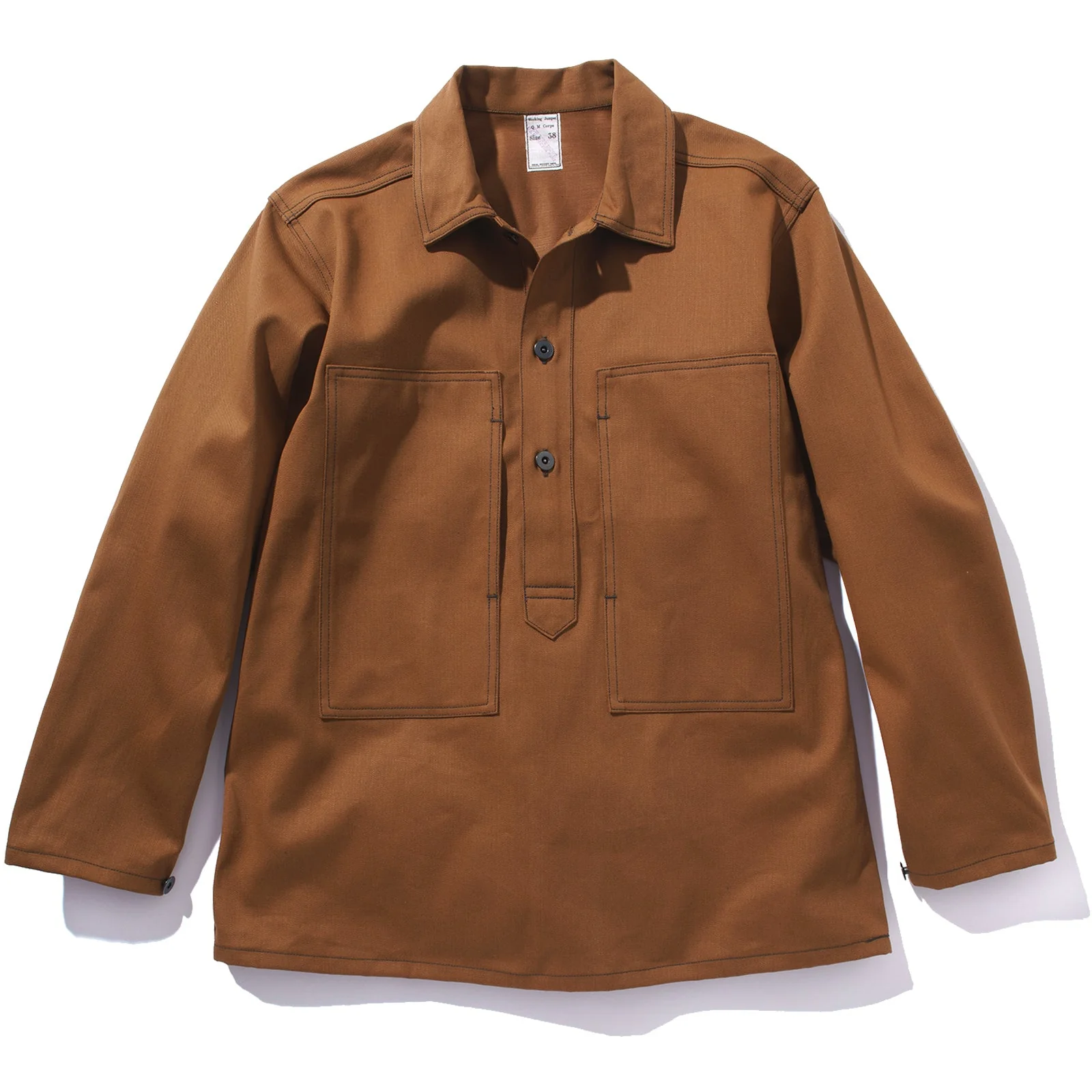
The WWII Raglan Sleeve Denim Chore Coat is cut from a 10 oz. gray-weft denim and based on a simplified wartime pattern developed under the material and price controls of the Second World War. The use of raglan sleeves was intended to improve ease of movement and was a detail commonly seen on chore coats produced by American store brands during the period.
During World War II, jeans and denim garments were classified as "staple work clothing" by the War Production Board. To support the war effort, the Office of Price Administration regulated the costs and construction details of these garments, ensuring they were affordable and conserved materials.
As a result, several mandated changes were implemented. Pocket flaps were removed from jackets, and rivets were taken off the crotch and watch pockets of jeans. A notable example is the prohibition of three-needle stitching, forcing manufacturers who specialized in this technique before the war to switch to two-needle stitching.
Further modifications were made based on material availability. For example, branded buttons were replaced with standard-issue buttons featuring a laurel leaf design, and rivets were replaced with bar tacking.
- 100% Cotton
- 10 oz. Gray Weft Denim
- Laurel Leaf Button
- Cotton Sewing Thread Construction
- Made in Japan
The WWII Raglan Sleeve Denim Chore Coat is cut from a 10 oz. gray-weft denim and based on a simplified wartime pattern developed under the material and price controls of the Second World War. The use of raglan sleeves was intended to improve ease of movement and was a detail commonly seen on chore coats produced by American store brands during the period.
During World War II, jeans and denim garments were classified as "staple work clothing" by the War Production Board. To support the war effort, the Office of Price Administration regulated the costs and construction details of these garments, ensuring they were affordable and conserved materials.
As a result, several mandated changes were implemented. Pocket flaps were removed from jackets, and rivets were taken off the crotch and watch pockets of jeans. A notable example is the prohibition of three-needle stitching, forcing manufacturers who specialized in this technique before the war to switch to two-needle stitching.
Further modifications were made based on material availability. For example, branded buttons were replaced with standard-issue buttons featuring a laurel leaf design, and rivets were replaced with bar tacking.
- 100% Cotton
- 10 oz. Gray Weft Denim
- Laurel Leaf Button
- Cotton Sewing Thread Construction
- Made in Japan
Original: $669.25
-65%$669.25
$234.24Description
The WWII Raglan Sleeve Denim Chore Coat is cut from a 10 oz. gray-weft denim and based on a simplified wartime pattern developed under the material and price controls of the Second World War. The use of raglan sleeves was intended to improve ease of movement and was a detail commonly seen on chore coats produced by American store brands during the period.
During World War II, jeans and denim garments were classified as "staple work clothing" by the War Production Board. To support the war effort, the Office of Price Administration regulated the costs and construction details of these garments, ensuring they were affordable and conserved materials.
As a result, several mandated changes were implemented. Pocket flaps were removed from jackets, and rivets were taken off the crotch and watch pockets of jeans. A notable example is the prohibition of three-needle stitching, forcing manufacturers who specialized in this technique before the war to switch to two-needle stitching.
Further modifications were made based on material availability. For example, branded buttons were replaced with standard-issue buttons featuring a laurel leaf design, and rivets were replaced with bar tacking.
- 100% Cotton
- 10 oz. Gray Weft Denim
- Laurel Leaf Button
- Cotton Sewing Thread Construction
- Made in Japan